
AUBREE JOURNAL · Toy Pom
Toy Pom Size Claims: Questions Behind the Label
Understand what small-size marketing labels leave unanswered when comparing Toy Pom puppies and adult-size estimates.
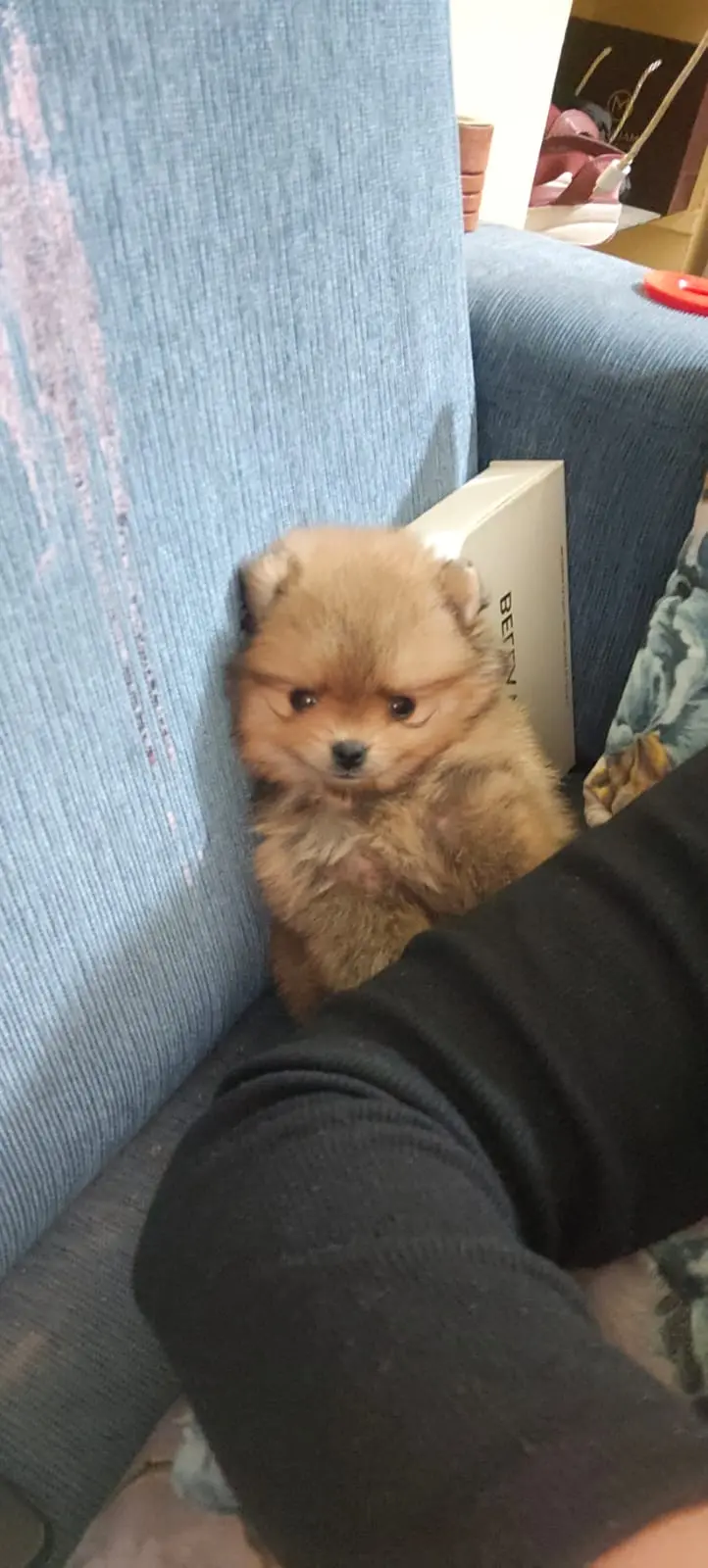
Words such as tiny, micro and teacup attract attention in puppy advertisements. They do not explain how an individual dog has been assessed. If adult size is central to your decision, ask for evidence and discuss uncertainty before paying for a label.
Start with dated information
Ask for the puppy's date of birth, current weight and the date that weight was taken. Request available information about its parents and how any adult-size estimate was reached. A photograph without scale or a single number without age is difficult to interpret.
Do not ask a seller to turn an estimate into a guarantee. Growth varies between individuals, and a coat can make appearance misleading. If a strict size limit is essential for your circumstances, explain it and discuss whether an older dog with more established measurements would be a more informed choice.
Put wellbeing ahead of the smallest option
Ask a veterinarian about the needs and risks of the individual puppy you are considering. Avoid interpreting the smallest puppy in a group as automatically the most desirable. Discuss feeding, handling and follow-up care rather than making size the sole measure of value.
Consider your home too: busy doorways, larger animals and enthusiastic children all affect how a small dog will be supervised. Choose equipment that fits the actual dog and can be adjusted as it grows.
Keep the wording precise
Save the listing and ask the seller to identify which statements are measured facts and which are predictions. Make sure the written quote names the same puppy. If the wording remains vague, pause and ask for clarification rather than assuming a premium label resolves the uncertainty.
Explore Aubree's Toy Pom listings, including the stated life stage of each dog. Tell the team why size matters to you so that the discussion can focus on a suitable individual and a realistic care plan.
Breed background: American Kennel Club breed information. Discuss individual health and care with your veterinarian.