
AUBREE JOURNAL · Toy Poodle
Toy Poodles and Allergies: Questions Before You Buy
Understand why a low-shedding coat cannot guarantee allergy suitability, and plan professional advice before choosing a Toy Poodle.
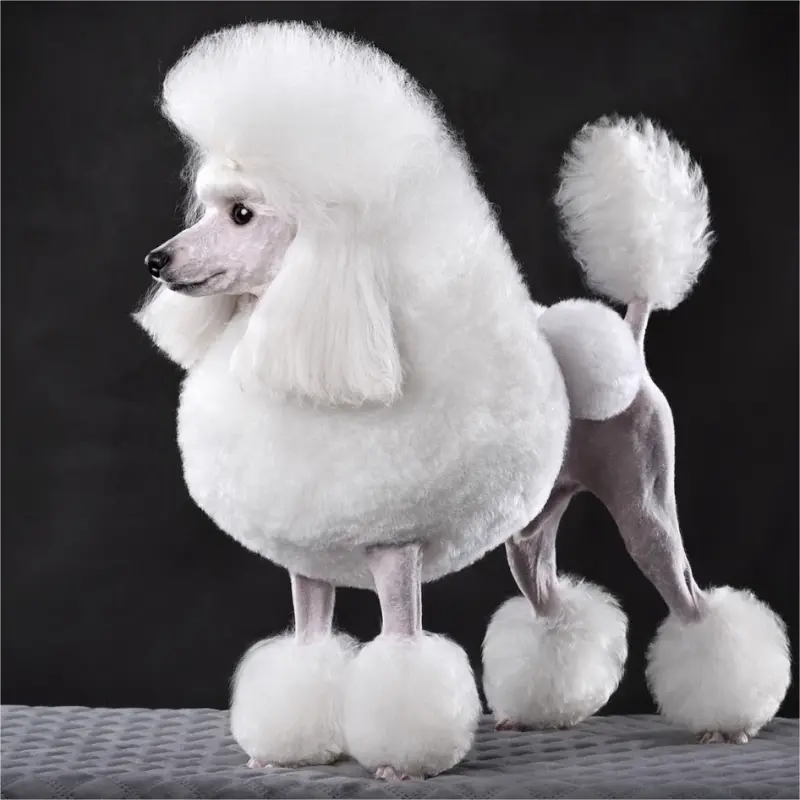
If someone in your home has a dog allergy, choosing a Toy Poodle deserves a medical conversation before a purchase conversation. Coat descriptions can be useful background, but they cannot establish whether an individual person will be comfortable living with a dog.
Clarify what the claim means
The American College of Allergy, Asthma and Immunology explains that there is no truly hypoallergenic dog breed. Allergic reactions are not determined simply by how much visible hair is shed. A seller's assurance that a particular puppy is allergy-free should not replace advice from an allergist.
Tell your clinician about the household member's history and your plans. Ask what assessment is appropriate before arranging contact with a dog. Do not use a casual visit as a medical test, especially where a person has had significant reactions.
Consider the living arrangement
Discuss the whole home rather than only the puppy's coat: sleeping areas, shared furniture, cleaning responsibilities and the people who would provide care. Ask the clinician what is relevant in your circumstances. Avoid assuming a haircut or a product will solve the problem.
The decision also affects the puppy. It is better to understand uncertainty before committing than to discover that the household cannot accommodate the dog after homecoming. Take time to reach an informed family decision.
Keep the purchase conditional on informed answers
Ask about reservation terms before making payment, including what happens if you cannot proceed. Do not assume a return arrangement exists unless it has been clearly agreed. A suitable discussion makes the responsibilities understandable to both sides.
Browse Aubree's Toy Poodle listings once you have professional advice about your household's allergy concerns. Ask for current individual details, records and an appointment, while keeping medical decisions with the clinician responsible for the affected person.
Source: American College of Allergy, Asthma and Immunology: Pet Allergies. Seek individual advice from your clinician.